
tempered glass dimensions
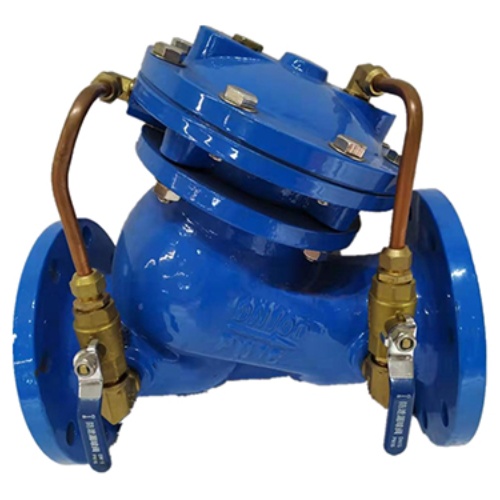
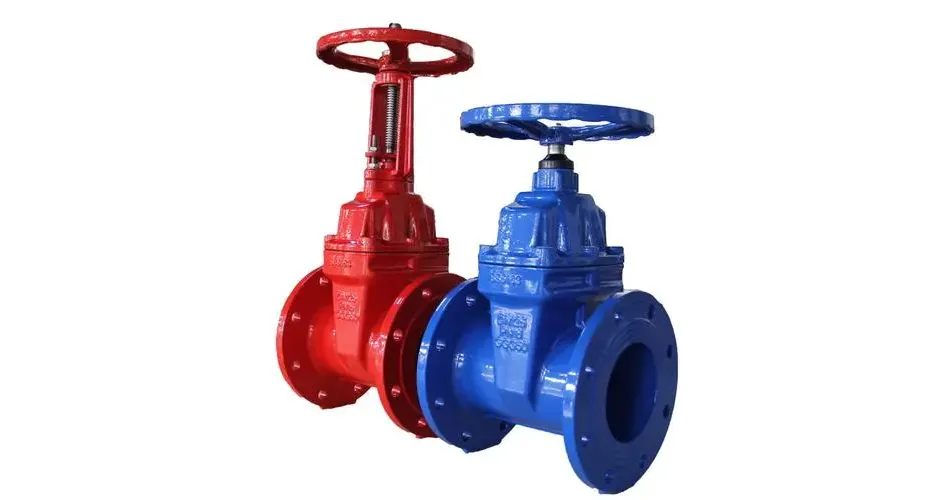
How to Turn Off the Main Water Valve A Step-by-Step Guide Understanding how to turn off your main water valve is an essential skill for every homeowner. Whether you're experiencing a plumbing leak, preparing for a renovation, or dealing with a burst pipe, knowing how to quickly shut off your water supply can save you from extensive damage and costly repairs. This article will guide you through the process of locating and turning off the main water valve in your home. What is the Main Water Valve? The main water valve controls the flow of water into your home from the municipal water supply or well. It serves as a vital safety feature, allowing you to stop the water flow in emergencies. It’s typically located near where the water line enters your home, often close to the foundation or in the basement. Steps to Turn Off the Main Water Valve 1. Locate the Main Water Valve The first step is to find the valve. Common locations include - Basement Often found near the water heater or where the water line enters the house. - Crawl Space Sometimes accessible in homes with crawl spaces. - Outside In warmer climates, the valve may be located outside, typically near an exterior wall or next to the foundation. - Garage Check in the garage if you can't find it elsewhere. 2. Identify the Type of Valve There are generally two types of valves to be aware of - Gate Valve This valve has a round wheel that you turn to open or close it. Turning it clockwise will close the valve, while counterclockwise opens it. - Ball Valve This type has a lever handle that you turn a quarter turn to switch between open and closed. When the handle is parallel to the pipe, it’s open; perpendicular indicates that it’s closed. 3. Prepare for the Switch Once you've located the valve, prepare for operation - Clear the area around the valve to allow easy access. - Have towels or buckets ready to catch any water that may leak out when the valve is shut off. how to turn off main water valve 4. Turning Off the Valve - For Gate Valves Turn the wheel clockwise until it stops. It might require some effort if it hasn’t been turned in a while, so apply steady pressure. - For Ball Valves Simply turn the lever perpendicular to the pipe to close it. 5. Check for Water Flow After you’ve turned off the valve, check your taps and fixtures to ensure that the water supply has stopped. Turn on a faucet (preferably the highest one in your home) to see if there is any remaining water pressure. It’s normal for a little water to come out, but there should be no sustained flow. 6. Address the Issue at Hand With the main water supply turned off, you can safely work on fixing leaks, replacing pipes, or conducting repairs without the risk of flooding your home. 7. Turning the Valve Back On Once you’ve completed your work, turning the valve back on is just as easy - For Gate Valves Turn the wheel counterclockwise until fully open. - For Ball Valves Turn the lever back parallel to the pipe. 8. Check for Leaks After restoring the water supply, inspect your plumbing for any leaks, especially at the sites of repairs. If you notice any leaks, turn the valve off again and address the plumbing issue before proceeding. Conclusion Knowing how to turn off your main water valve is a crucial part of home maintenance. It empowers you to handle plumbing emergencies efficiently, potentially saving you from extensive damage and repair costs. Make sure that all members of your household are aware of its location and how to operate it. Regularly check the functionality of your valve to ensure that it remains operational when you need it the most. With this skill in your toolkit, you can take control of unexpected plumbing problems with confidence.
about
tempered glass dimensions
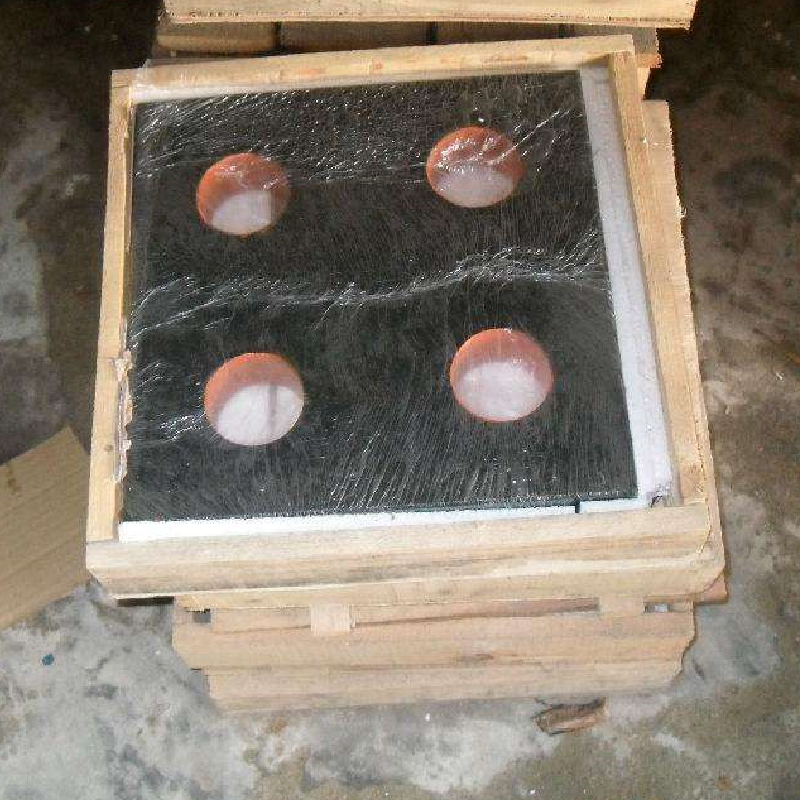
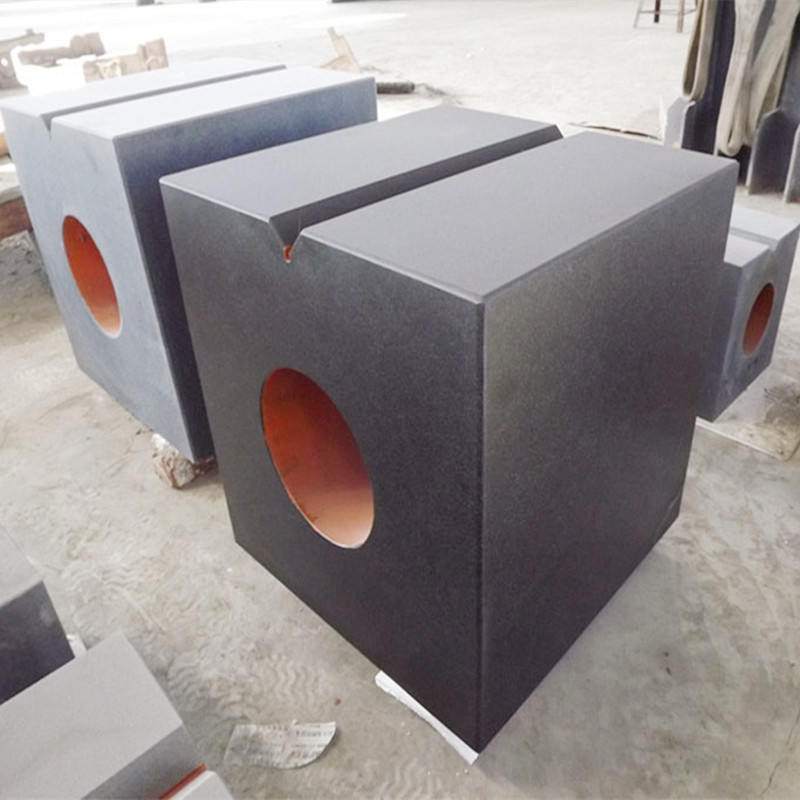
The Precision of Granite Cubes A Deep Dive into Quality and Applications Granite has long been celebrated for its durability and aesthetic appeal, making it a popular choice in construction, sculpture, and various design elements. Among the various forms in which granite is available, the precision granite cube stands out for its unparalleled accuracy and versatility, particularly in industrial applications. What is a Precision Granite Cube? A precision granite cube is a meticulously fabricated block of granite engineered to exhibit high dimensional stability and uniformity. These cubes are used as a reference standard in metrology, which is the science of measurement. Thanks to the inherent physical properties of granite—such as its hardness, resistance to temperature fluctuations, and minimal thermal expansion—precision granite cubes can maintain their shape and size over time. This makes them invaluable tools in manufacturing and engineering, where precision measurement is critical. Manufacturing Process The manufacturing of precision granite cubes requires advanced technology and skilled craftsmanship. The process begins with selecting high-quality granite blocks, which are then carefully inspected for any flaws or inconsistencies. Using specialized machinery, the granite is cut to the desired dimensions, often measuring 100 mm or 200 mm on each side. Following the initial cutting, the cubes undergo grinding and polishing to achieve a remarkably smooth surface finish. This surface quality is essential, as it influences the accurate measurement of various components that come into contact with the cube. Once polished, the cubes are calibrated against known standards using laser interferometry or other advanced measurement techniques. This step ensures that the cubes can serve as reliable references for calibrating other measurement instruments, from micrometers to coordinate measuring machines (CMMs). Applications in Industry precision granite cube Precision granite cubes find a myriad of applications across different sectors. In the manufacturing industry, they are predominantly used for quality control. They serve as a benchmark for inspecting the accuracy of parts produced by machining processes. This capability is crucial, as even the slightest deviation can affect the overall performance of a product, particularly in industries such as aerospace and automotive. Furthermore, precision granite cubes are widely utilized in laboratories for calibration purposes. Their ability to maintain dimensional stability under varying environmental conditions makes them ideal for ensuring that measurement instruments yield accurate results. This application is vital in scientific research, where precise measurements are fundamental to achieving reproducible results. Advantages of Using Granite The use of granite in precision measurement offers several key advantages. First and foremost, granite's natural properties make it highly resistant to wear and deformation. Unlike metals, which may warp over time, granite retains its integrity, providing a long-lasting solution for precision measurement needs. Additionally, granite is not susceptible to rust or corrosion, ensuring that it can be used in a variety of environments without degrading. Moreover, the aesthetic appeal of granite allows it to be utilized not just in industrial settings but also in architectural applications. Many architects and designers opt for precision granite cubes in high-end projects, as they blend functionality with beauty. This trend reflects the increasing demand for materials that are both durable and visually striking. Conclusion In conclusion, precision granite cubes are an essential part of the modern industrial landscape, playing a critical role in ensuring measurement accuracy. Their remarkable properties make them ideal for calibration and quality control across various sectors. As industries continue to prioritize precision and efficiency, the demand for high-quality precision granite cubes is likely to persist, underscoring the value of this timeless material in a rapidly advancing technological world.
-

High quality industrial productsagement

High quality industrial products
View Details -

Meet the diverse needs of customers

Meet the diverse needs of customers
View Details -

Strict quality control

Strict quality control
View Details -

Top raw materials

Top raw materials
View Details -

Trusted supplier

Trusted supplier
View Details
Our application

news and information

Versatile mushroom-shaped rebar cap with multiple functions
The Multi-Function Mushroom Rebar Cap Revolutionizing Construction Efficiency In the dynamic world
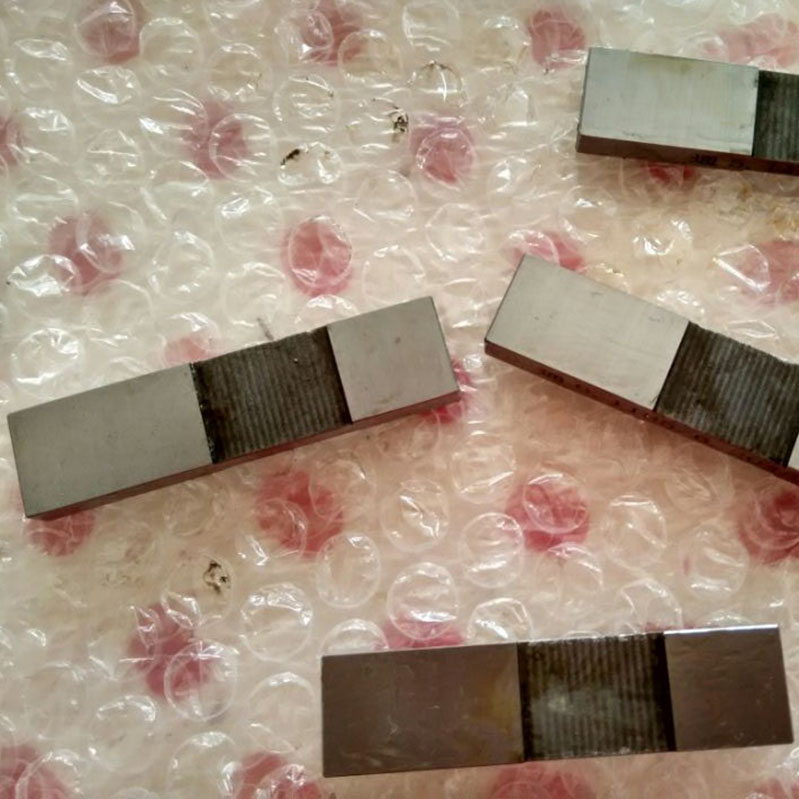
Válvula borboleta elétrica 12V para controle de fluxo em sistemas industriais
Válvula Borboleta de 12V Eficiência e Versatilidade em Sistemas Hidráulicos A válvula borboleta é um
What Are Pin Gauges Used For
A pin gauge is a precision tool designed for pin gauge use to measure the diameter of holes or verif
 English